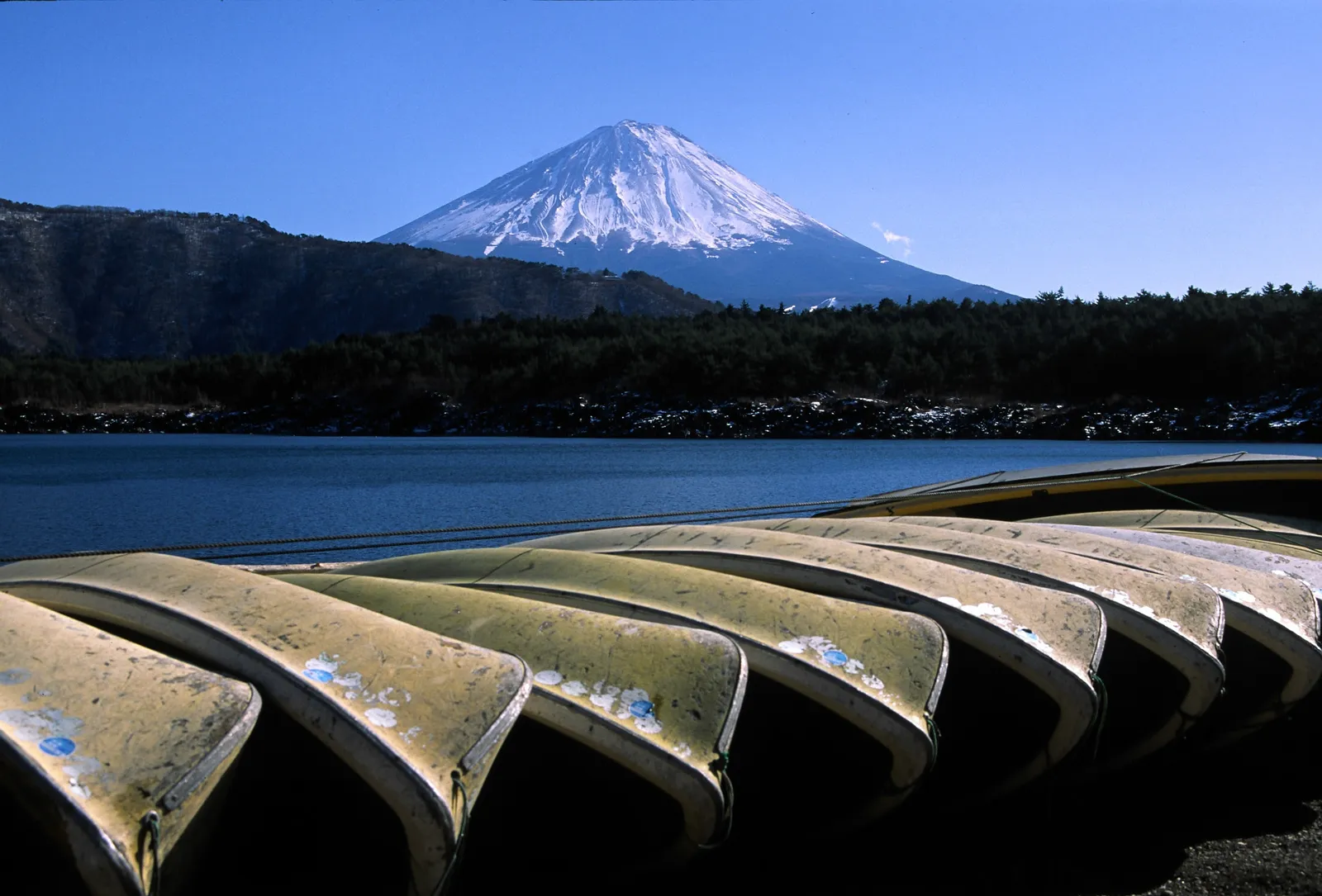
Lake Saiko guide: caves, Nenba village, kayaks and camping
Day tour
Private guided hidden gems tour by local English speaking driver
From US$226.54
We may get a commission from Klook, Viator or GetYourGuide bookings, with no extra cost to you. Affiliate disclosure
See dates on ViatorThe lake at a glance
What Saiko is like
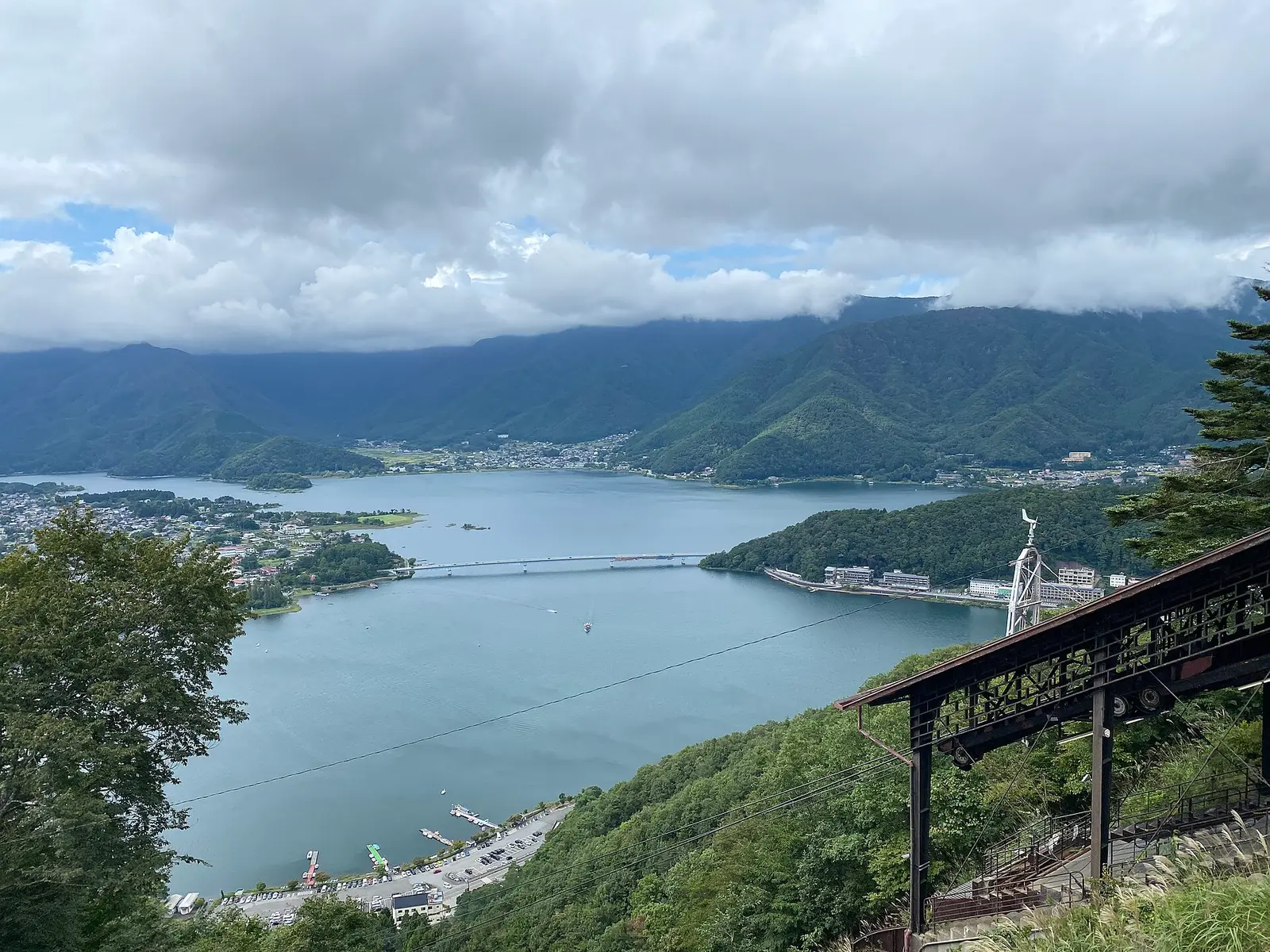
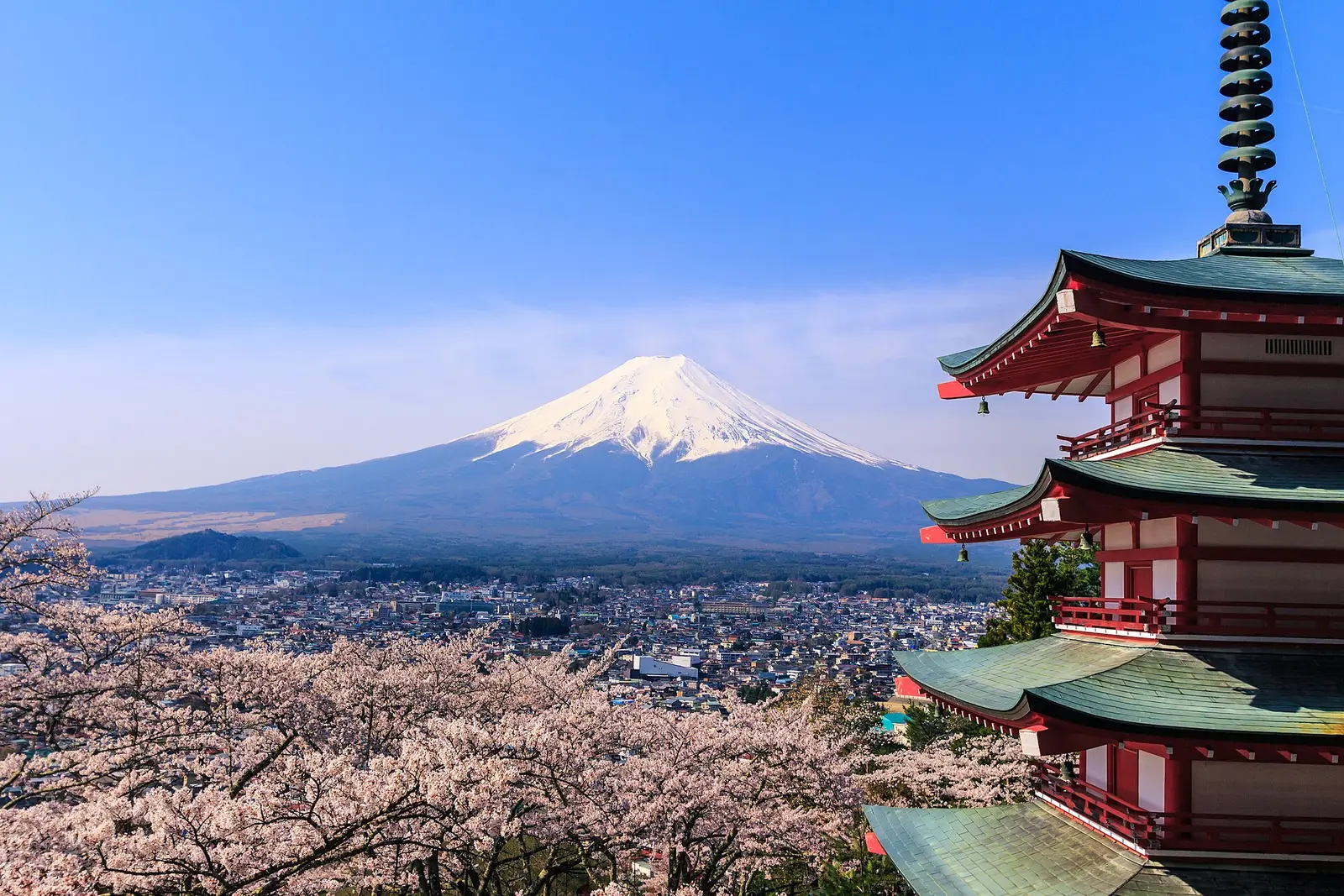
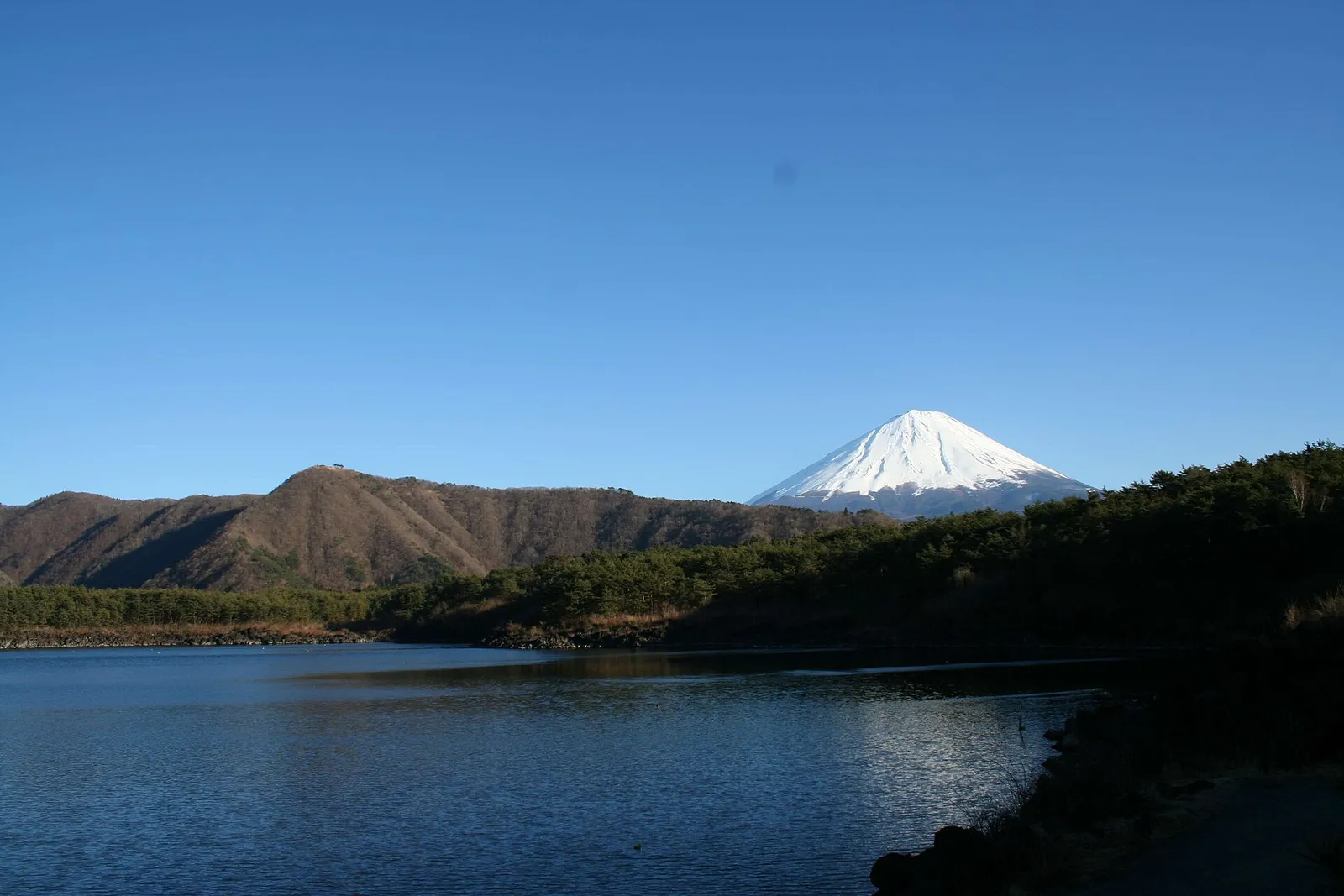
Lake Saiko is the lake for forest, caves and paddling, not for big Fuji views. Steep wooded slopes surround it, and Mt Fuji can be seen only from the westernmost tip2, so head to that end if the mountain is what you’re after.
Surface at about 900 m1
Saiko (Lake Sai) is in Fujikawaguchiko, the town that also takes in Lake Kawaguchi and Lake Shōji3. It lies inside Fuji-Hakone-Izu National Park1, higher up than Lake Kawaguchi, which sits at about 800 m4.
- Size: 2.1 km², the second smallest of the Fuji Five Lakes2.
- Depth: down to 71.7 m, the second deepest2.
- Water: fed by groundwater from rain that falls on Mt Fuji and wells up from the lake bottom5. There’s no natural outflow, but an artificial channel now links it to Lake Kawaguchi1.
- Origin: lava flows from the year 8646 filled most of the old lake Senoumi, leaving the pockets that became Saiko and Shōji.
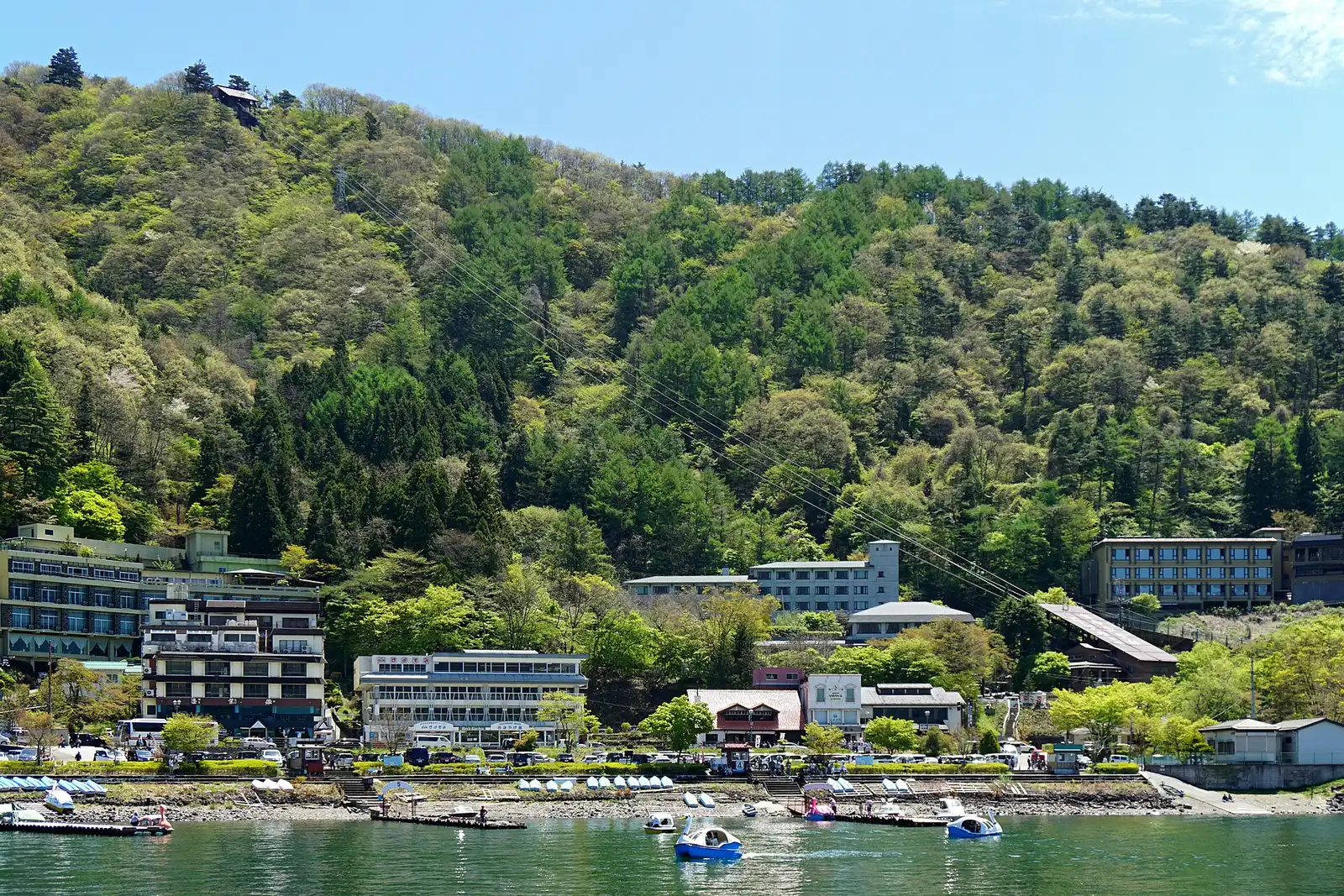
The lake suits people who enjoy hiking, camping, fishing and other outdoor activities2. Along the shore you’ll find lakeside hotels, windsurfing, campsites and excursion boats1.
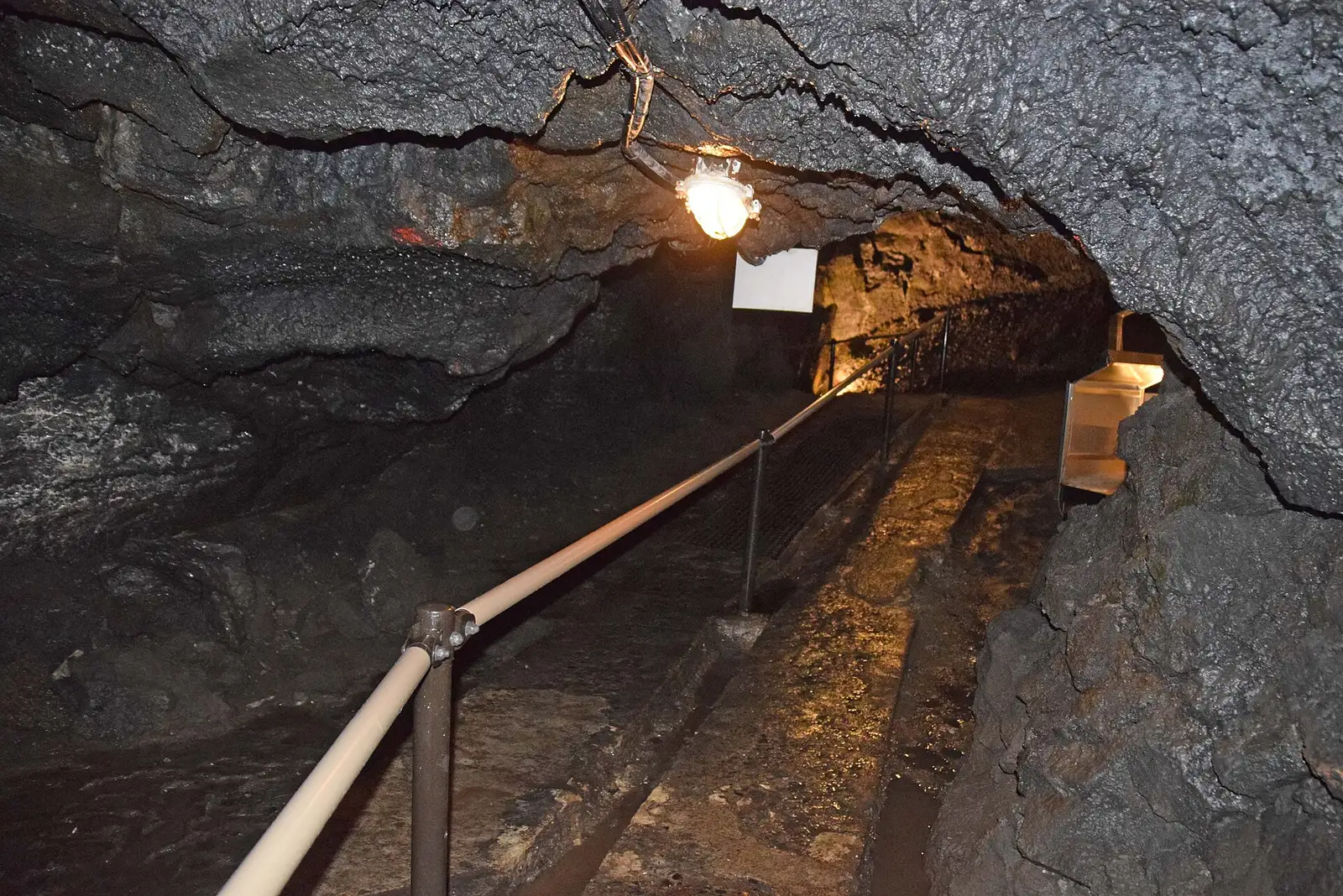
Lava cave and fish hall
Saiko Bat Cave and the Saiko Nature Center
Saiko Bat Cave and the Kunimasu Exhibition Hall are both at the Saiko Nature Center, so you can see them in one stop.
Cave closed 1 Dec–19 Mar7
Saiko Bat Cave is more than 350 m7 long and is the largest lava cave at the foot of Mt Fuji, as well as a national natural monument. The Nature Center opens 9:00–17:00 from March to November, with no closing days8, and the last entry to the cave is at 16:307.
- Cave open April to November
- Reopens late in the month March
- Shut for the bats December to February
From December to February, the Nature Center itself opens 9:30–16:30 and closes on Wednesdays8.
Kunimasu Exhibition Hall
The Kunimasu Exhibition Hall tells the story of a fish that came back from the dead. Kunimasu, a trout native to Lake Tazawa in Akita, was thought to have died out around 19405. Then a 20105 survey confirmed it was living here.
The hall opened on 27 April 201610. It has tanks where you can see live kunimasu and other fish from the lake, plus panels on their habitat and history10.
The forest side
Fugaku Wind Cave and Aokigahara forest
Guide tour ¥500 for 1 hour13
Fugaku Wind Cave is at 2068-1 Saiko Aokigahara11. On the Green Line bus, get off at stop 5112. The opening hours change through the year:
| Dates | Fugaku Wind Cave hours |
|---|---|
| 1–15 March11 | 9:00–16:3011 |
| 16 March to 31 July11 | 9:00–17:0011 |
| 1 August to 15 October11 | 9:00–17:3011 |
| 16 October to 15 November11 | 9:00–17:0011 |
| 16 November to 15 February11 | 9:00–16:3011 |
| 16–28 February11 | 9:00–16:0011 |
Aokigahara Jukai is a primeval forest at the north-west foot of Mt Fuji, grown on lava from an eruption about 1,200 years ago9. The Yamanashi tourism board’s family walk from the Saiko Nature Center via the Bat Cave takes about 2.5 hours9.
- The path to the Bat Cave is covered in wood chips, which makes it soft and easy to walk9.
- There are no toilets inside the forest9, so use the ones at the Nature Center before you set off.
A guide is the easiest way into the forest. The scheduled Aokigahara Jukai nature guide tour lasts 1 hour and you can join on the day without booking13. It costs ¥50013 (about US$3) per person. Reserved tours of 1 to 3 hours13 need booking ahead and follow a route that fits your schedule.
For trails and caves deeper in the forest, see Aokigahara walks and lava caves. If you’d rather not deal with buses, a private driver tour from Kawaguchiko stops at Saiko Bat Cave.
Thatched village
Saiko Iyashi no Sato Nenba
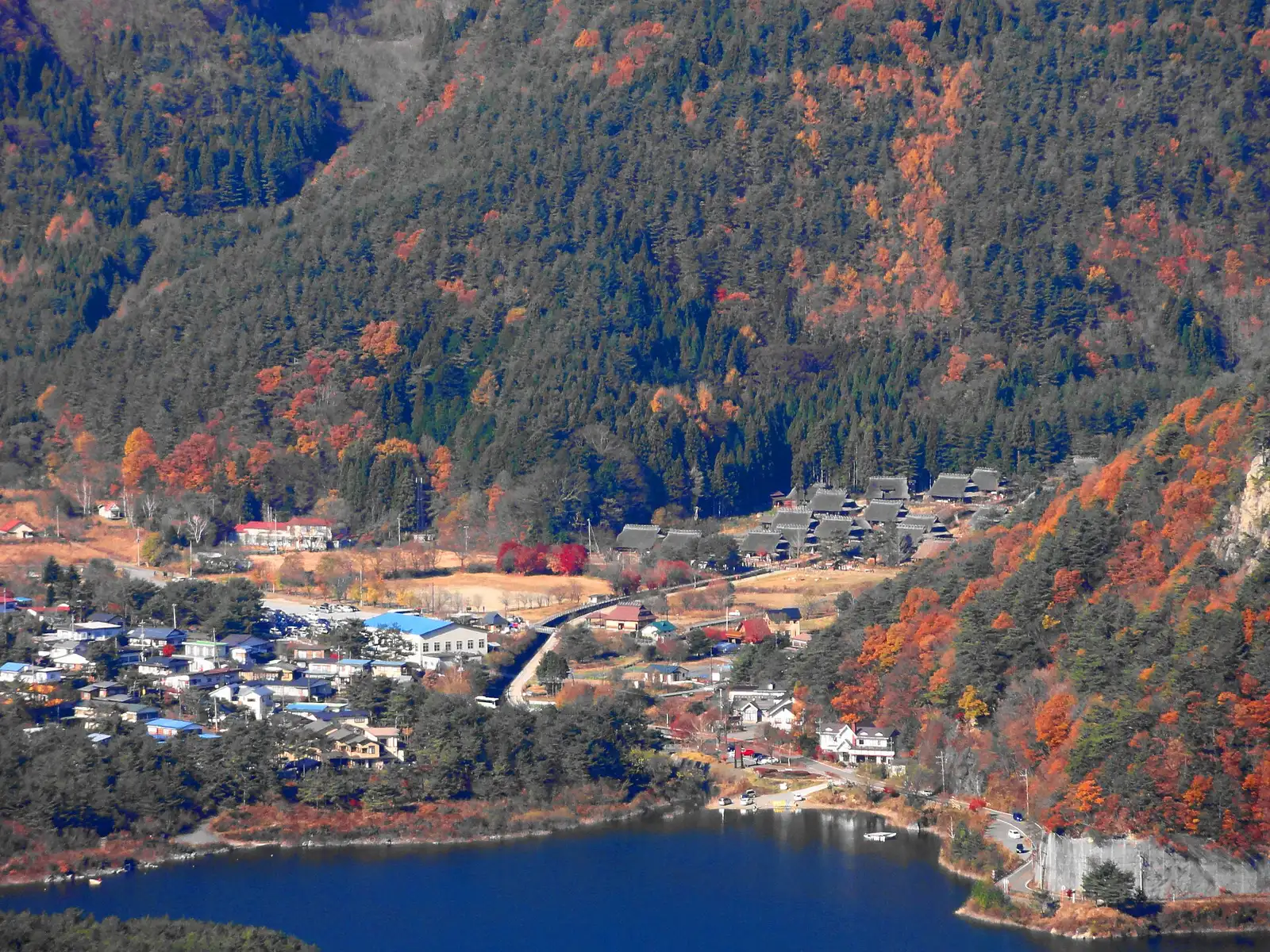
Saiko Iyashi no Sato Nenba is a village of traditional thatched-roof houses on the shore of the lake15. The town has restored about 2016 of the houses, and inside them you can try needlework, pottery, handicrafts and incense-making15.
Adult entry ¥50017
- March to November: 9:00–17:00, last entry 16:3017.
- December to February: 9:30–16:30, last entry 16:0017.
- No regular closing days, though it may close temporarily from time to time17.
- Parking is free17.
In winter, the whole village is covered in snow15. Read the Saiko Iyashi no Sato Nenba visitor guide before you go.
Birds and winter ice art
Saiko Wild Bird Forest Park and the ice festival
Ice art late January to mid-February19
Saiko Wild Bird Forest Park is surrounded by Aokigahara forest. It’s home to dozens of wild bird species, including varied tits, meadow buntings and white-eyes18. It opens 9:00–17:00 and has parking for 40 cars and 10 buses18.
The Saiko Ice Festival fills the park with ice art every year from late January to mid-February19. The sculptures are lit up from sunset to 19:0019, so dress for the cold.
Entry fees around the lake
Getting into the sights around the lake is cheap. Most of the prices below come from the attractions’ own sites. The Bat Cave price comes from the guidebook Mapple, because there’s no official figure to check it against.
Entry and tour prices around the lake
| Ticket | Adult | Child |
|---|---|---|
| Saiko Iyashi no Sato Nenba entry | ¥500 (groups of 20+: ¥450) | ¥250 (groups of 20+: ¥200) |
| Saiko Bat Cave entry (Mapple listing) | ¥300 | ¥150 |
| Aokigahara nature guide tour | ¥500 per person, 1 hour | – |
Saiko Iyashi no Sato Nenba (official); Mapple (travel guide); yamanashi-kankou.jp (official)
On the water
Kayaking, fishing and the boat rules
Saiko is quiet by law: the whole lake is a restricted-entry zone where powered boats may not be used except for permitted vessels20. That leaves the water to kayaks.
Powered boats banned20
| Option | Operator | Price | Source |
|---|---|---|---|
| Day-course kayak rental | Gnome | ¥6,600 per kayak | gnome.hamayouresort.com (operator) |
| 24-hour kayak rental (start 10:00 or 16:00) | Gnome | ¥10,560 per kayak | gnome.hamayouresort.com (operator) |
| Sunset kayak tour | Gnome | ¥4,400 per person | gnome.hamayouresort.com (operator) |
| Early-morning kayak tour | Gnome | ¥5,500 per person | gnome.hamayouresort.com (operator) |
| Kayak eco-guide tour (junior high school age up to 70) | Hokuroku Works | ¥6,600 | Hokuroku Works (tour company) |
| Mirage Tandem Island, 60 minutes | Hobie Japan | ¥16,500 per boat | Hobie Japan (operator) |
gnome.hamayouresort.com (operator); Hokuroku Works (tour company); Hobie Japan (operator)
Gnome’s kayak sessions are run by 5LAKES & MT23. If you’re not staying at Gnome or Hotel Kofukaku Kuwarubi, there’s an extra facility fee of ¥55023 (about US$3) per person. Hokuroku Works’ tour meets at the free Nenba car park24.
Anglers come too. Japanese white crucian carp, wakasagi (pond smelt) and kunimasu were introduced in the Meiji period, and sport fishing is popular1.
Base or day trip
Should you stay by the lake or in Kawaguchiko?
Stay by Saiko for camping and quiet. For more choice of hotels and food, base yourself on Lake Kawaguchi, the easiest of the five lakes to reach and the most touristic22.
41 bungalows at Saiko Kohan25
Compare hotels on the where to stay page. If you’d like a traditional inn, read how to choose a ryokan in Kawaguchiko.
Saiko Kohan Campsite
Saiko Kohan Campsite faces the lake at 902 m25. It has 41 bungalows and three covered self-catering areas25, so rain won’t stop you cooking dinner.
| At Saiko Kohan Campsite | Price or time |
|---|---|
| Auto camping, adult per night | ¥1,50026 (about US$9) |
| Auto camping, child per night | ¥1,00026 (about US$6) |
| Smallest bungalow (C-type) | ¥6,30026 (about US$40) |
| Largest bungalow (F-type) | ¥26,000–28,00026 (about US$164–177) |
| Auto-camping check-in | 9:00–18:3026 |
| Bungalow check-in | 13:00–18:3026 |
| Cancellation charge |
You can book a bungalow through the online form, or by phone, which the campsite says is quicker for holidays or checking availability27. Enquiries are taken 7:00–21:0027. Check the calendar too, because the site is sometimes reserved in full for groups on the dates shown28.
Saiko Camp Village Gnome
Saiko Camp Village Gnome pitches itself at families and couples, and it’s where the Gnome kayaks in the table above are rented.
For families, Gnome says children play on their own: football in the play park, climbing the tree house and SUP on the lake29.
For couples, it suggests kayaking in the morning, a hammock nap at midday, a forest sauna in the evening and then the hot spring a few minutes’ walk away29.
Food and drink near the lake
This guide doesn’t list any restaurants on the Saiko shore yet, so plan to eat in Kawaguchiko or cook at your campsite. In town, you can track down the best hoto noodles, or read more on Yoshida udon before you go.
Buses and passes
How do you get to Lake Saiko?
To reach Lake Saiko, get to Kawaguchiko Station first, then take the Green Line sightseeing bus, which loops around the lake and through Aokigahara Jukai Forest12.
Bat Cave 34 min from the station7
-
Tokyo to Kawaguchiko Station
Highway buses from Shinjuku take about 1 hour 45 minutes; the train takes about 2 hours 10 minutes.
-
Green Line bus to the lake
Saiko Bat Cave is 34 minutes by bus from Kawaguchiko Station, right by the Saiko Komoriana stop.
-
Get off at your stop
Stop 45 for Saiko Bat Cave, stop 51 for Fugaku Wind Cave. Saiko Wild Bird Forest Park is 43 minutes from the station.
-
Buy a bus pass
The 1-Day Pass for the Kawaguchiko, Saiko and Lake Motosu sightseeing buses is ¥1,500 (child ¥750); the 2-Day Pass is ¥2,000 (child ¥1,000).
If you’re driving, allow around 1 hour 30 minutes30 to Kawaguchiko I.C. on the Chuo Expressway. Parking at Nenba is free. To see how Saiko compares with the other bases, see the areas page.
Photos: Wikimedia Commons. Authors and licences: image credits
Checked against 34 sources · last checked October 2026
- Wikipedia · checked October 2026
- yamanashi-kankou.jp (official) · checked October 2026
- Wikipedia · checked October 2026
- Wikipedia · checked October 2026
- fujiguide.pref.yamanashi.jp (official) · checked October 2026
- mlit.go.jp (official) · checked October 2026
- yamanashi-kankou.jp (official) · checked October 2026
- fujisan.ne.jp (official) · checked October 2026
- yamanashi-kankou.jp (official) · checked October 2026
- pref.yamanashi.jp (official) · checked October 2026
- mtfuji-cave.com (operator) · checked October 2026
- mlit.go.jp (official) · checked October 2026
- yamanashi-kankou.jp (official) · checked October 2026
- European Central Bank (official) · checked October 2026
- Saiko Iyashi no Sato Nenba (official) · checked October 2026
- yamanashi-kankou.jp (official) · checked October 2026
- Saiko Iyashi no Sato Nenba (official) · checked October 2026
- yamanashi-kankou.jp (official) · checked October 2026
- fujisan.ne.jp (official) · checked October 2026
- pref.yamanashi.jp (official) · checked October 2026
- town.fujikawaguchiko.lg.jp (official) · checked October 2026
- Wikivoyage · checked October 2026
- gnome.hamayouresort.com (operator) · checked October 2026
- Hokuroku Works (tour company) · checked October 2026
- yamanashi-kankou.jp (official) · checked October 2026
- saikohan.com (operator) · checked October 2026
- saikohan.com (operator) · checked October 2026
- saikohan.com (operator) · checked October 2026
- gnome.hamayouresort.com (resort) · checked October 2026
- yamanashi-kankou.jp (official) · checked October 2026
- Mapple (travel guide) · checked October 2026
- Hobie Japan (operator) · checked October 2026
- Travel Japan (japan.travel) (official) · checked October 2026
- Fujikyu Bus (operator) · checked October 2026
Page history · last changed 20 October 2026
- Updated: new sections: What Saiko is like; Saiko Bat Cave and the Saiko Nature Center; Fugaku Wind Cave and Aokigahara forest; …, 6 sections removed, 18 sourced facts added, 8 removed.
- First written