Day tour
Mt. Fuji Instagram-Worthy Spots Day Tour: Ladder Town, Oshino Hakkai, Lake Kawaguchi, Lawson Convenience Store (Departing from Tokyo Station or Shinjuku Station)
From US$46.89
See dates on Klook
Day tour
Mt. Fuji Instagram-Worthy Spots Day Tour: Ladder Town, Oshino Hakkai, Lake Kawaguchi, Lawson Convenience Store (Departing from Tokyo Station or Shinjuku Station)
From US$46.89
4.8 (35,900 reviews) on Klook, checked October 2026
We may get a commission from Klook, Viator or GetYourGuide bookings, with no extra cost to you. Affiliate disclosure
See dates on Klook
Lake Kawaguchi Maple Corridor
Photo: Google Maps| Day | Hours |
|---|---|
| Monday | 00:00–24:00 |
| Tuesday | 00:00–24:00 |
| Wednesday | 00:00–24:00 |
| Thursday | 00:00–24:00 |
| Friday | 00:00–24:00 |
| Saturday | 00:00–24:00 |
| Sunday | 00:00–24:00 |
Riverside maple walk
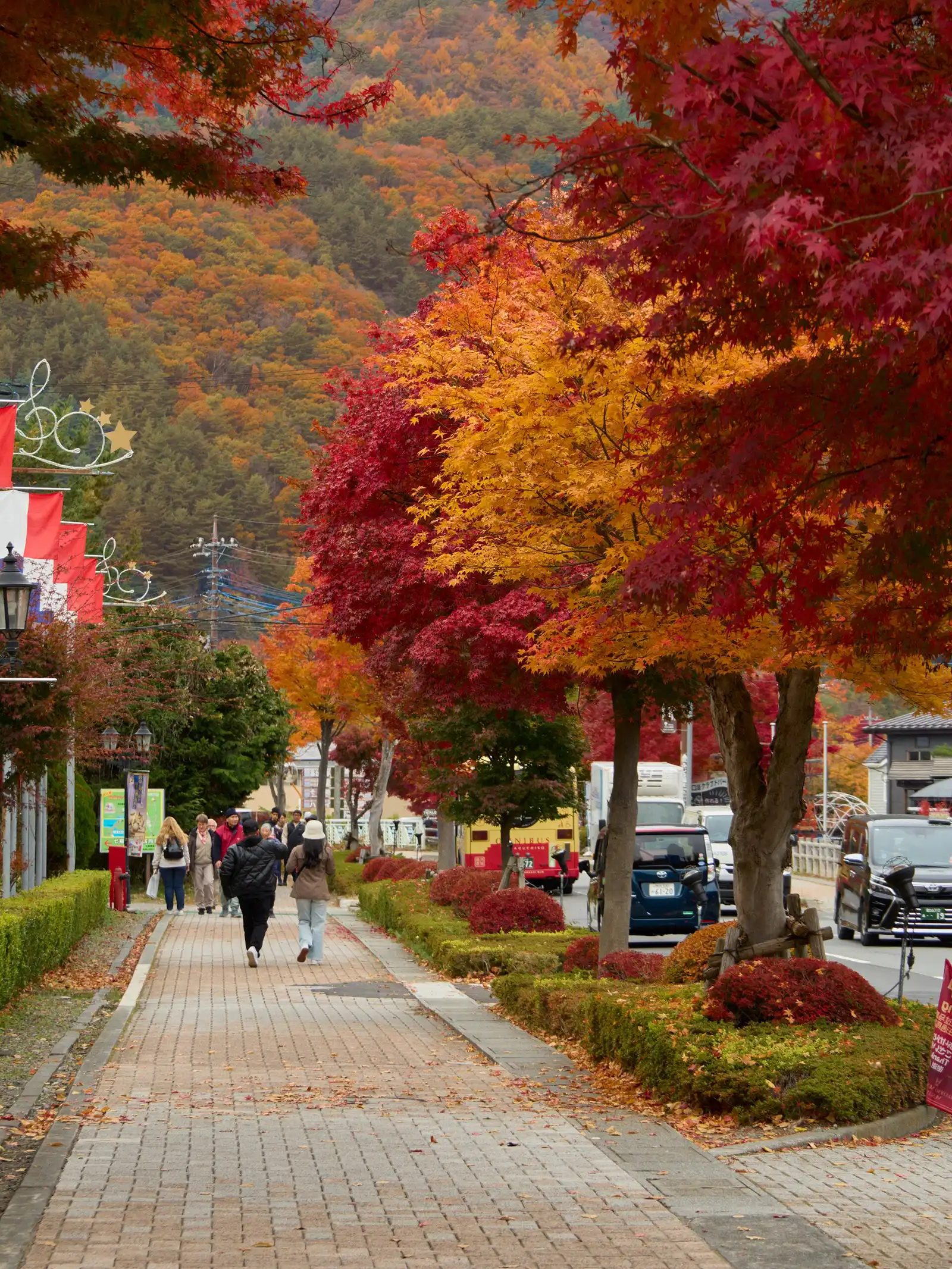
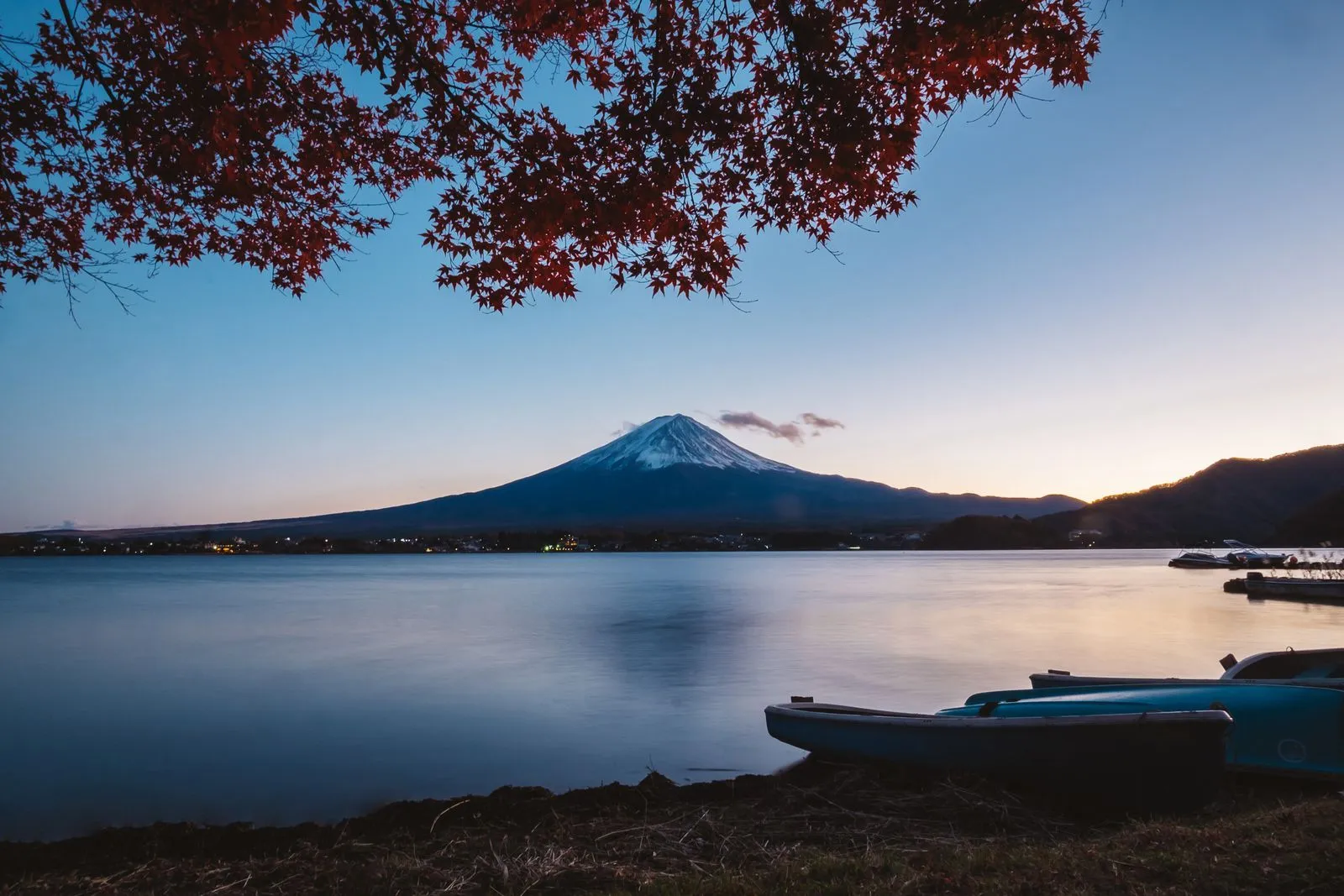
The Momiji Corridor is a short riverside walk under maples that form a red tunnel overhead at peak2. You can walk it at any time1, day or night.
Open at all times1
The two official tourism sites count the trees differently:
The corridor is the main venue of the autumn leaves festival, and it was recently extended by 200 metres3. So expect a longer stroll than older guides suggest.
Autumn timing
Aim for the first half of November: both official sites put peak colour then, though the town site starts the window in late October.
Festival: 7–29 November 20264
| Source | Peak colour |
|---|---|
| fujisan.ne.jp (official) | late October to mid-November1 |
| yamanashi-kankou.jp (official) | early to mid-November2 |
The Fuji-Kawaguchiko Autumn Leaves Festival runs from Saturday 7 to Sunday 29 November 20264 (checked October 2026). Events are held mainly at nearby facilities, and the maple corridor is illuminated5 after dark.
The light-up starts at sunset5. Its finishing time has changed from year to year6, so check the town’s festival notice before you plan a late walk.
From the station
Take the Red Line sightseeing bus for about 20 minutes1, get off at the Kubota Itchiku Art Museum stop2 and walk a short way8 to the corridor.
Red Line: about 20 minutes1
Express highway buses from Shinjuku take about 1 hour 45 minutes; the Fuji Excursion train takes 1 hour 53 minutes at its fastest.
The red Kawaguchiko Line runs every 15 minutes; the ride to the corridor takes about 20 minutes.
Get off at the Kubota Itchiku Art Museum stop; the corridor is a short walk from there.
If you’d rather not wait for the bus, a taxi from Kawaguchiko Station to the Itchiku Kubota Art Museum takes about 10 minutes9. The museum’s garden lies along the corridor3.
By car, the corridor is about 10 to 15 minutes1 from Kawaguchiko IC on the Chuo Expressway, heading towards Kofu2.
What you pay
There’s no ticket for the corridor: entry is free2 (checked October 2026) and you can wander as you like. Your real cost is the trip to Kawaguchiko.
Entry free2
| Ticket | Adult | Child |
|---|---|---|
| Momiji Corridor walk | Free | Free |
| Fuji Excursion train, Shinjuku to Kawaguchiko (one way) | ¥4,200 | – |
yamanashi-kankou.jp (official); Fujikyu Railway (operator)
Access and comfort
The Momiji Corridor suits photographers, slow walkers and wheelchair users, going by the two official tourism sites.
Wheelchair accessible2
Pair it with
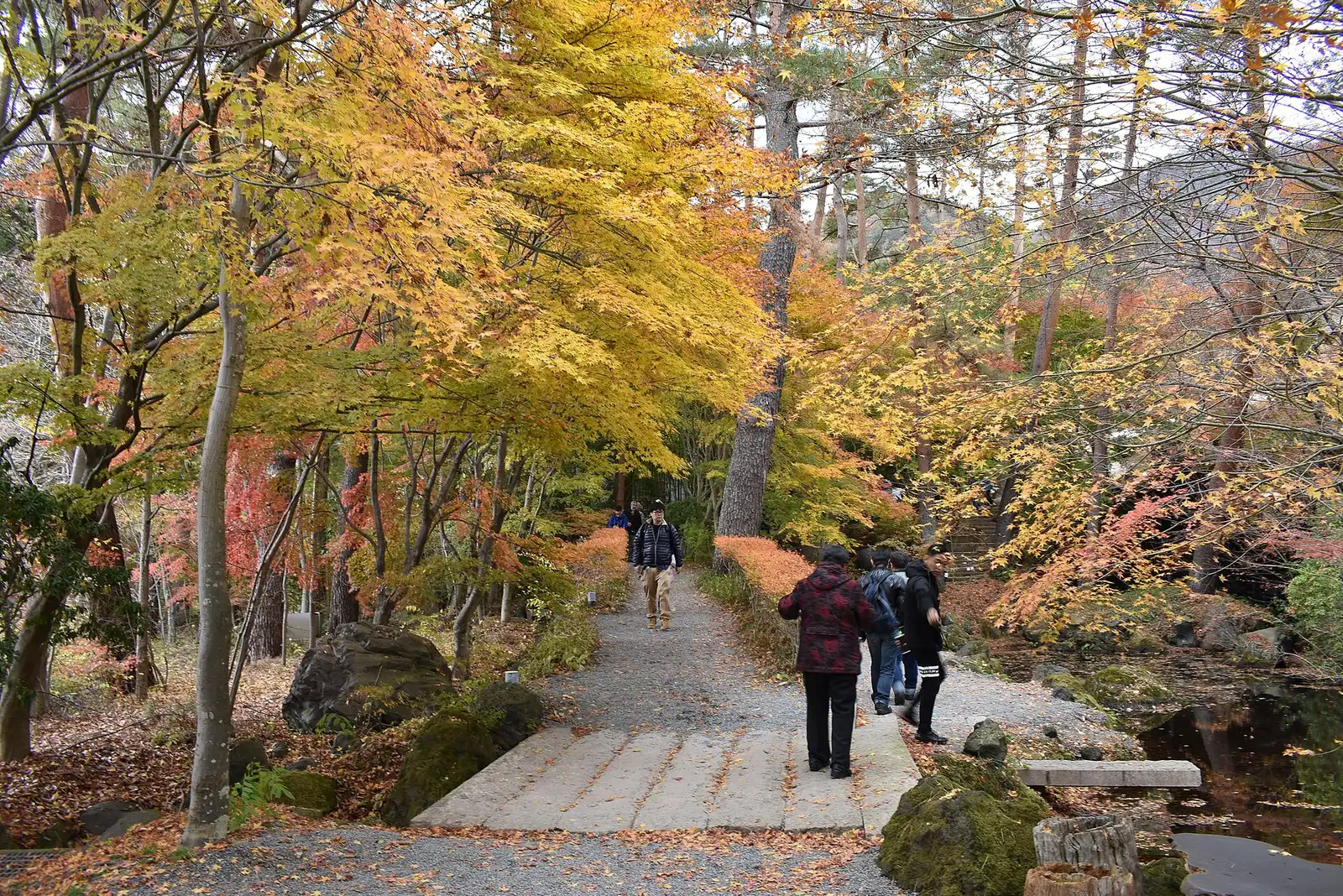
The Itchiku Kubota Art Museum sits right on the corridor, and a few more sights are a short hop away.
Momiji Tunnel: about 10 min by car3
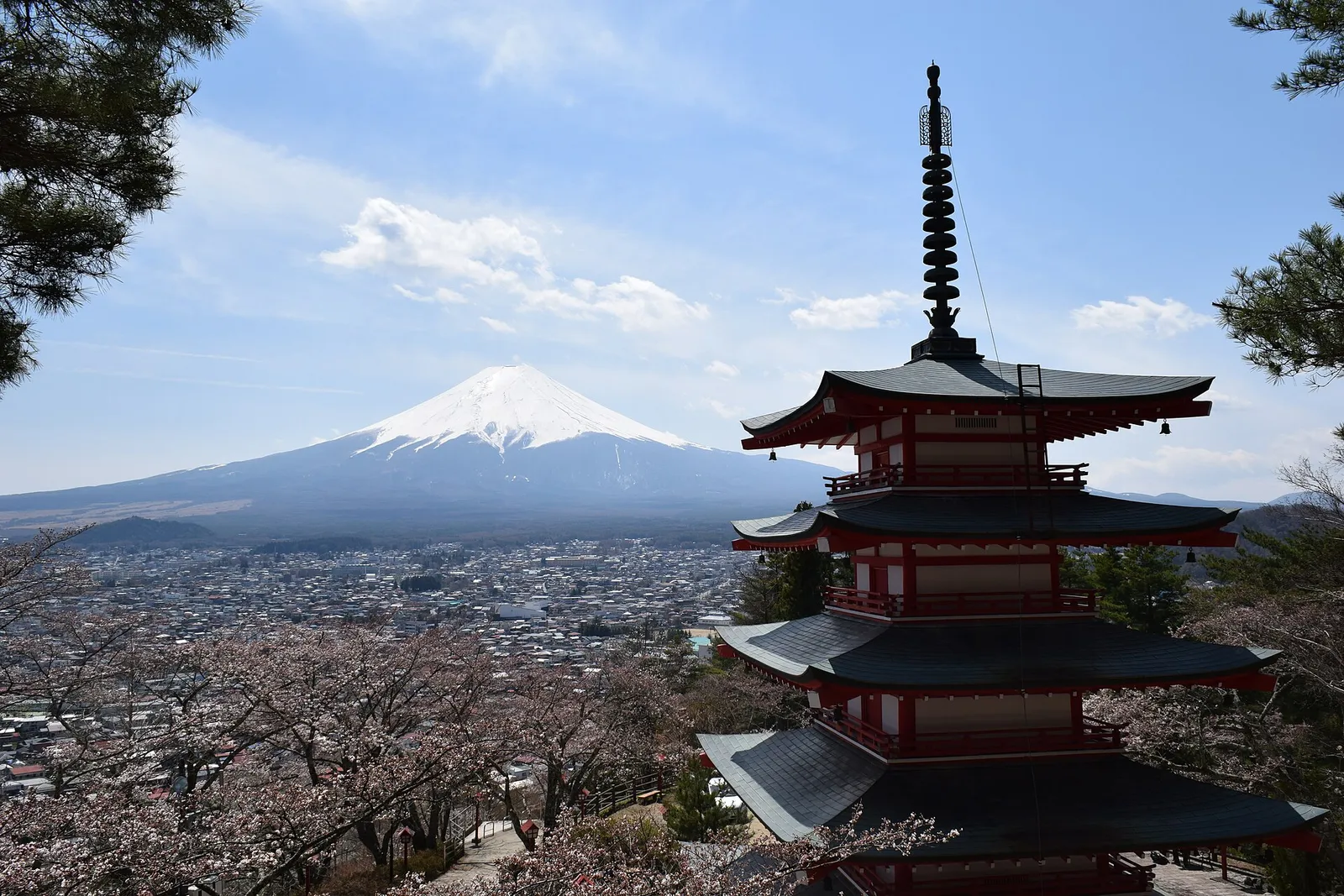
For a fuller Fuji day, add Chureito Pagoda or the springs in our Oshino Hakkai guide. There’s more on things to do around the lake on the hub page.
The evening light-up is far easier if you stay the night. JNTO’s own itinerary has you stay overnight near Lake Kawaguchi12; there’s more on the Kawaguchiko 2D1N itinerary.
From Tokyo
This Klook day tour from Tokyo picks its Kawaguchiko stop by season, and the Maple Corridor is one of its options. Check the tour page for which stop applies on your date.
Day tour
From US$46.89
See dates on KlookYes. The Japanese maple (Acer palmatum) is native to Japan, and people there have long admired its autumn colours.
JNTO says mornings, before haze and cloud build; JTB Travel says it's generally easier to see in the colder seasons than in summer.
Photos: Wikimedia Commons and Pexels. Authors and licences: image credits